COSHH

COSHH symbols

The red diamonds on a product label are hazard pictograms. There are nine, each one says what kind of harm the product can do, and any product carrying one needs a COSHH assessment before it is used at work. Here is what each symbol means, the hazards behind it, and a chart to print for the chemical store.

Start a COSHH assessment

Free, no signup. One page A4. Your logo goes on it if you have added one in the generator.

Last reviewed 18 September 2026

The nine symbols and what they mean

In the order you are most likely to meet them. Each one lists the hazard classes that put it on a label, the H statements you will see with it in section 2 of the data sheet, and what the assessment usually comes down to.

Flammable

Flammable

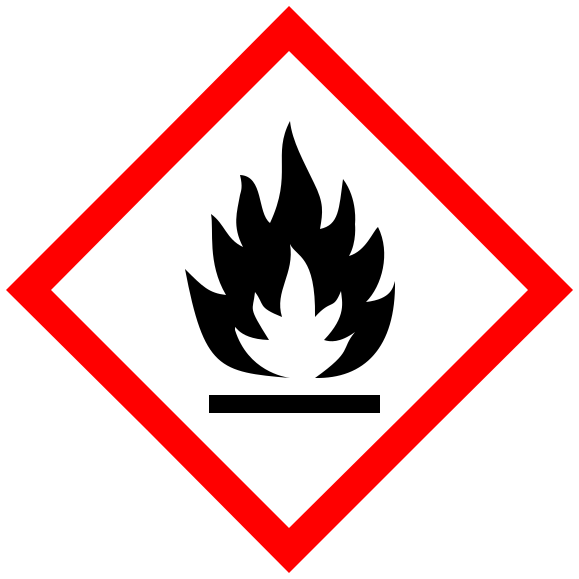
GHS02, flame

Catches fire easily from a spark, a flame, a hot surface or, for some substances, on contact with air or water.

Hazard classes
Flammable gases, aerosols, liquids and solids; Self-reactive substances; Pyrophoric liquids and solids; Self-heating substances; Substances that give off flammable gas in contact with water; Organic peroxides
H statements
H220 to H226, H228, H242, H250 to H252, H260 and H261
What it means for you
Keep away from ignition sources, store in a ventilated place away from oxidisers, and check whether DSEAR applies as well as COSHH.
On this site
Isopropyl alcoholAcetoneEthanolToluenePetrolDiesel
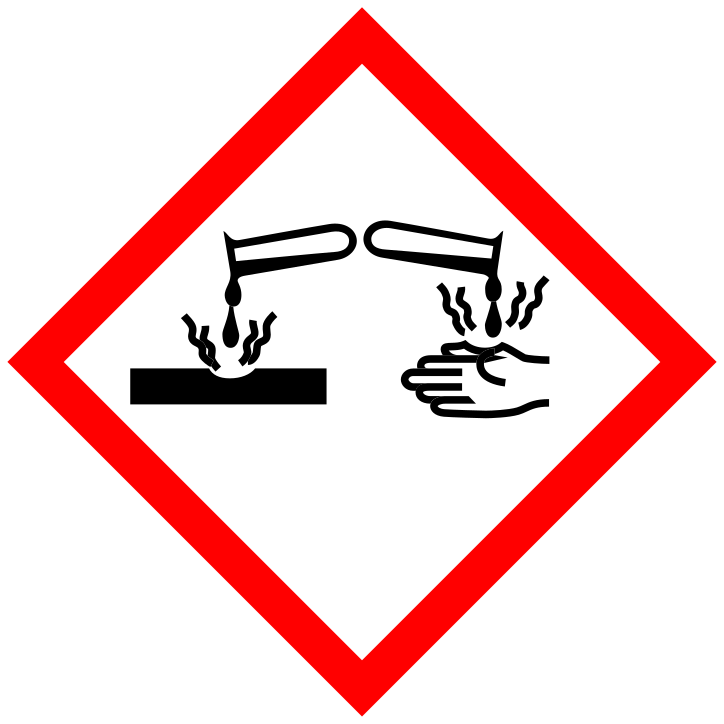
Corrosive

Corrosive

GHS05, corrosion

Burns skin and damages eyes on contact. Can also corrode metals.

Hazard classes
Skin corrosion, categories 1A, 1B and 1C; Serious eye damage, category 1; Corrosive to metals
H statements
H314, H318, H290
What it means for you
Gloves and eye protection to the standard named in section 8 of the data sheet, eye wash to hand, and no mixing with other products.
On this site
BleachCaustic sodaHydrogen peroxideFormaldehydeCement
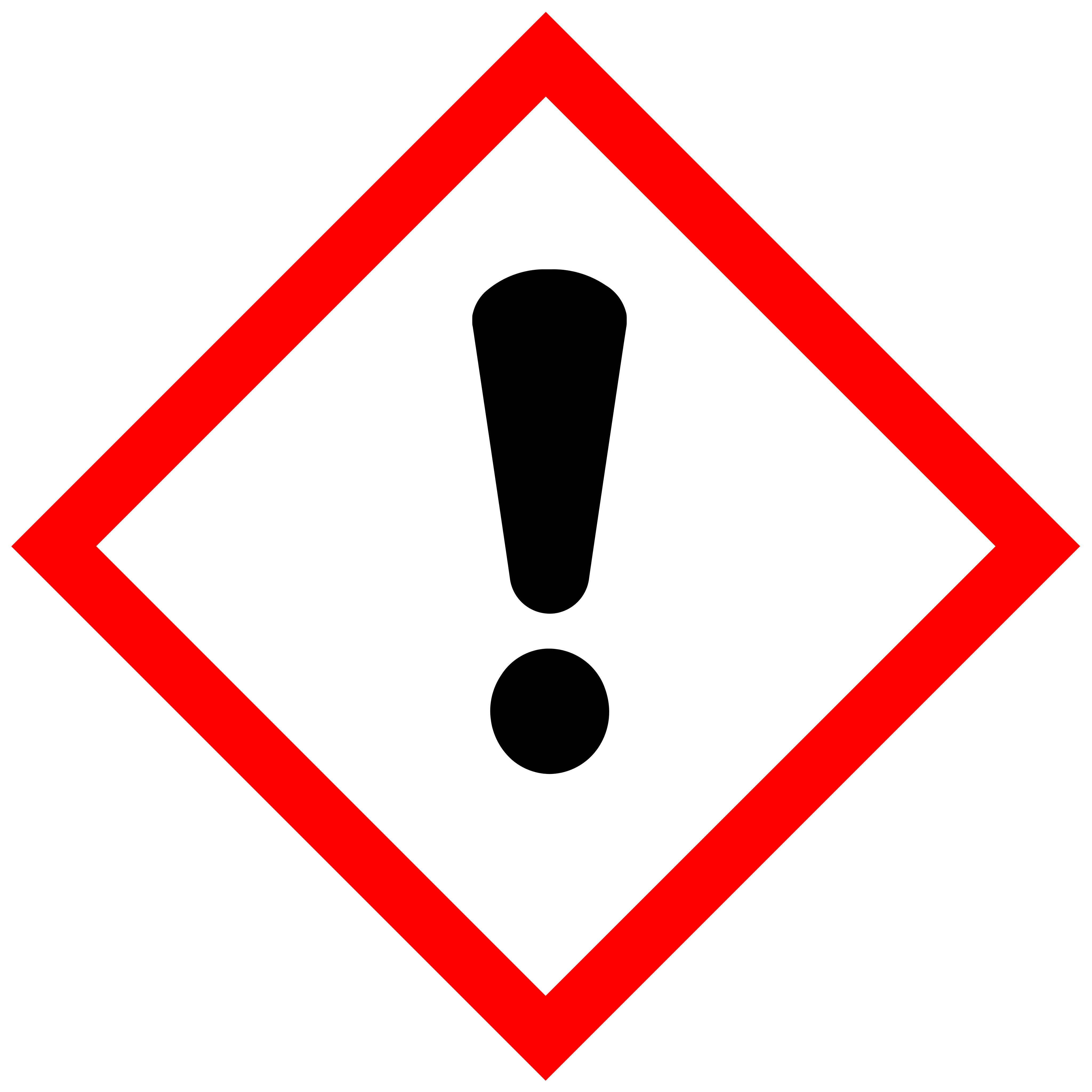
Harmful or irritant

Harmful or irritant

GHS07, exclamation mark. HSE calls it "Health hazard / hazardous to the ozone layer"

The least severe health pictogram. Irritates skin or eyes, causes an allergic skin reaction, irritates the airways, causes drowsiness, or is harmful if swallowed, breathed in or on the skin.

Hazard classes
Acute toxicity, category 4; Skin irritation, category 2; Eye irritation, category 2; Skin sensitisation; Respiratory irritation and narcotic effects (STOT single exposure, category 3); Hazardous to the ozone layer
H statements
H302, H312, H332, H315, H319, H317, H335 and H336, H420
What it means for you
Common on cleaning products and solvents. Gloves, ventilation and not eating or smoking with the product on your hands cover most of it. A skin sensitiser needs more care: once someone is sensitised, tiny amounts set it off.
On this site
Isopropyl alcoholAcetoneHydrogen peroxideToluenePetrolDieselCement
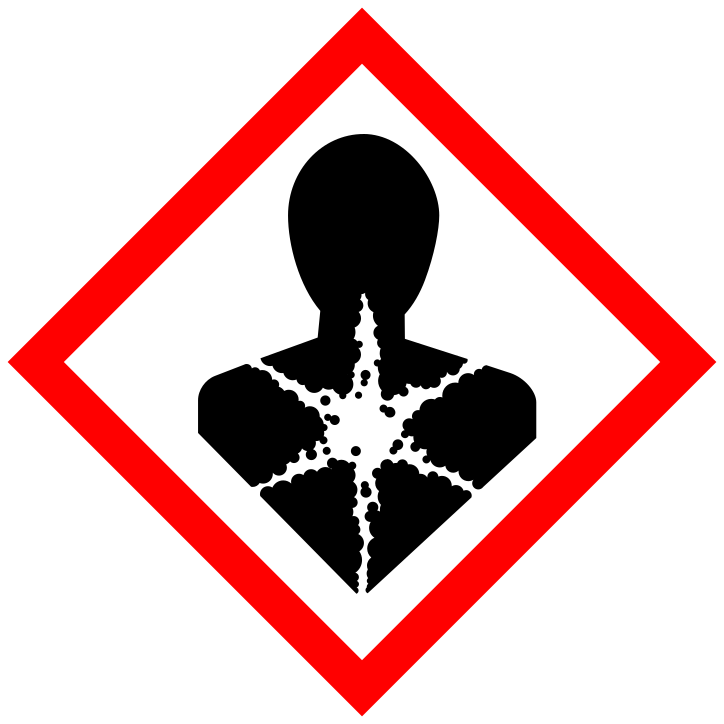
Serious health hazard

Serious health hazard

GHS08, health hazard

Long term or serious harm: cancer, damage to fertility or the unborn child, genetic damage, asthma from breathing it in, organ damage, or fatal if it gets into the lungs after swallowing.

Hazard classes
Carcinogenicity; Germ cell mutagenicity; Reproductive toxicity; Respiratory sensitisation; Specific target organ toxicity, single and repeated exposure, categories 1 and 2; Aspiration hazard
H statements
H350 and H351, H340 and H341, H360 and H361, H334, H370 to H373, H304
What it means for you
The one to take most seriously. For a carcinogen, mutagen or asthmagen COSHH regulation 7 asks for exposure to be reduced as low as reasonably practicable, not just below the limit, and health surveillance is often needed.
On this site
FormaldehydeToluenePetrolDiesel
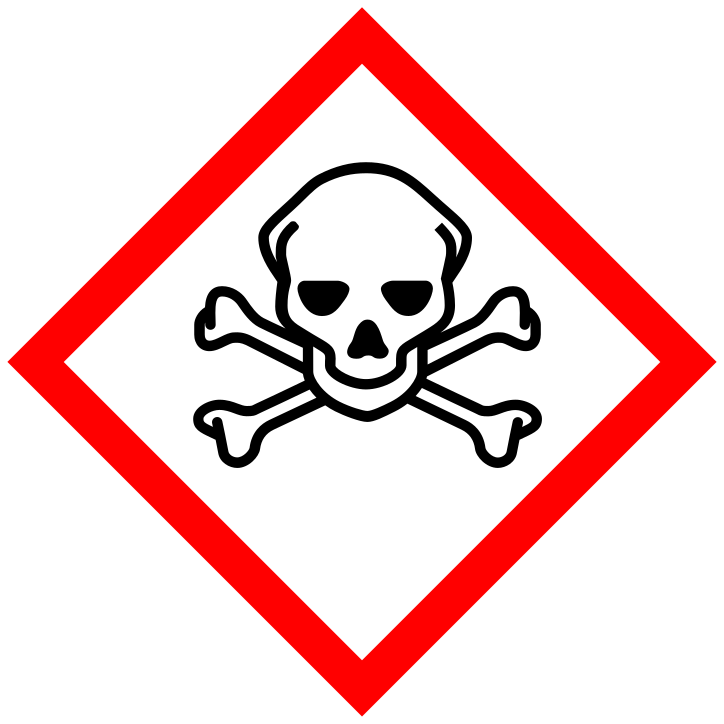
Acute toxicity

Acute toxicity

GHS06, skull and crossbones

Toxic or fatal in small amounts if swallowed, breathed in or in contact with skin.

Hazard classes
Acute toxicity, categories 1, 2 and 3 (oral, dermal and inhalation)
H statements
H300, H301, H310, H311, H330, H331
What it means for you
Rare on everyday workplace products. Locked storage, a written procedure, the right respiratory and skin protection, and first aid arrangements that match section 4 of the data sheet.
On this site
Formaldehyde
Oxidising

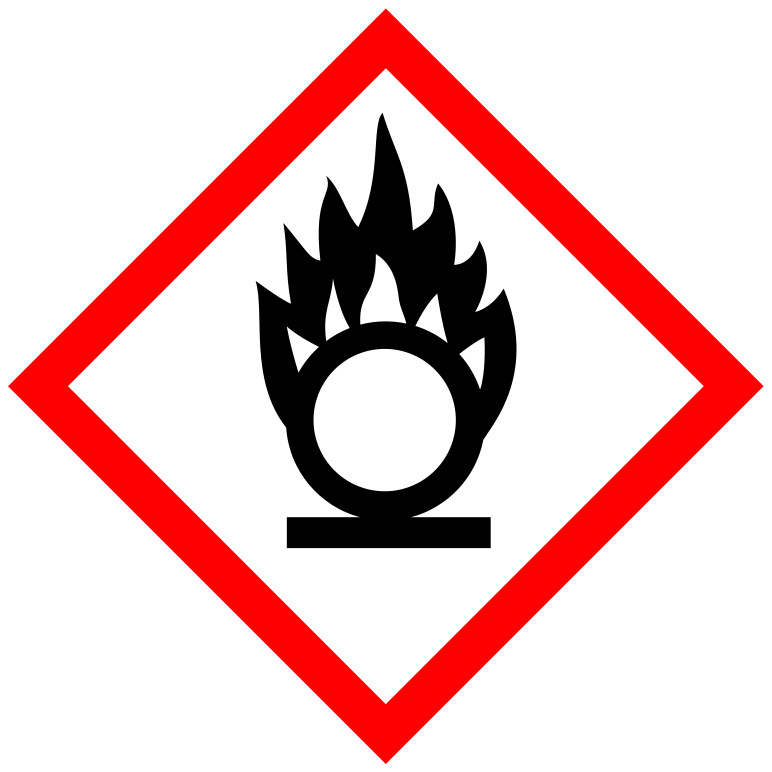
Oxidising

GHS03, flame over circle

Gives off oxygen, so it feeds a fire and can make other materials burn that would not otherwise.

Hazard classes
Oxidising gases; Oxidising liquids; Oxidising solids
H statements
H270, H271, H272
What it means for you
Store apart from flammables, oils and anything combustible, including cardboard. Never mix with other chemicals.
On this site
Hydrogen peroxide
Gas under pressure

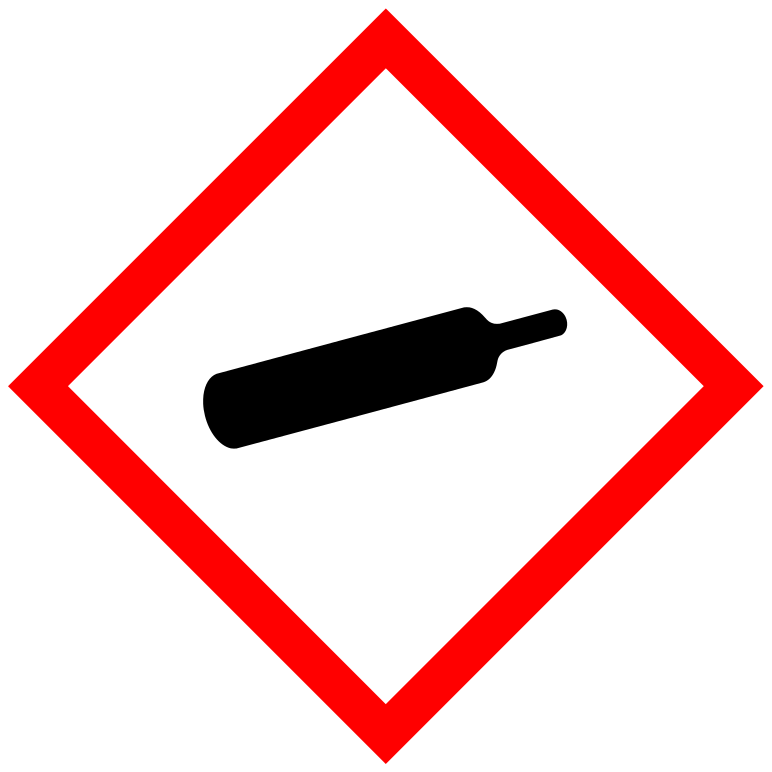
Gas under pressure

GHS04, gas cylinder

A compressed, liquefied or dissolved gas. The container may explode if heated, and refrigerated gases cause cold burns.

Hazard classes
Gases under pressure: compressed, liquefied, refrigerated liquefied and dissolved
H statements
H280, H281
What it means for you
Secure cylinders upright, keep them away from heat, and treat the contents on their own merits: the gas itself may be flammable, toxic or an asphyxiant as well.
Explosive

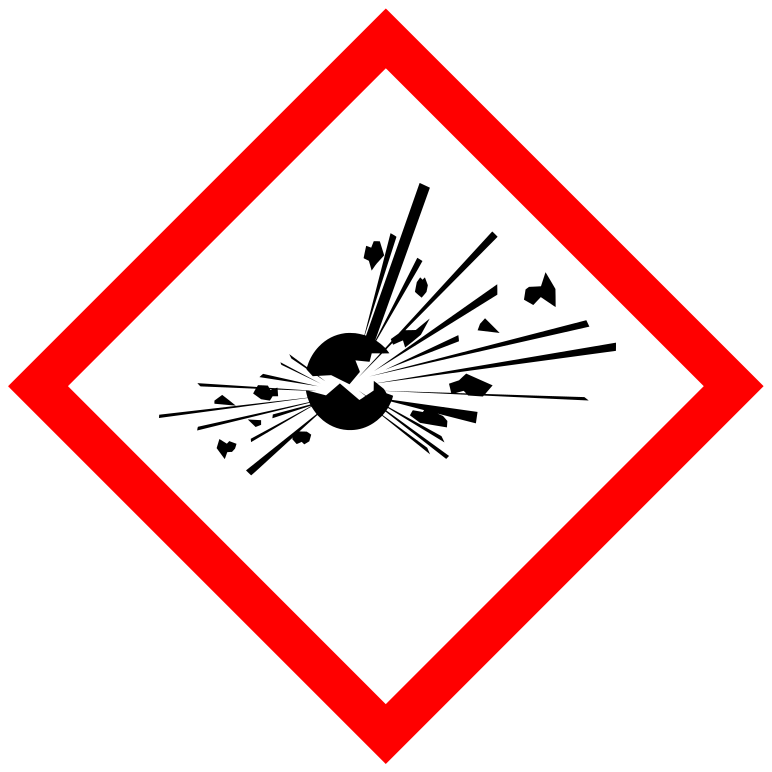
Explosive

GHS01, exploding bomb

Can explode from heat, shock, friction or fire.

Hazard classes
Unstable explosives; Explosives, divisions 1.1 to 1.4; Self-reactive substances, types A and B; Organic peroxides, types A and B
H statements
H200 to H204, H240, H241
What it means for you
Not found on ordinary workplace products. Anything carrying it is covered by the Explosives Regulations 2014 and DSEAR as well as COSHH.
Hazardous to the environment

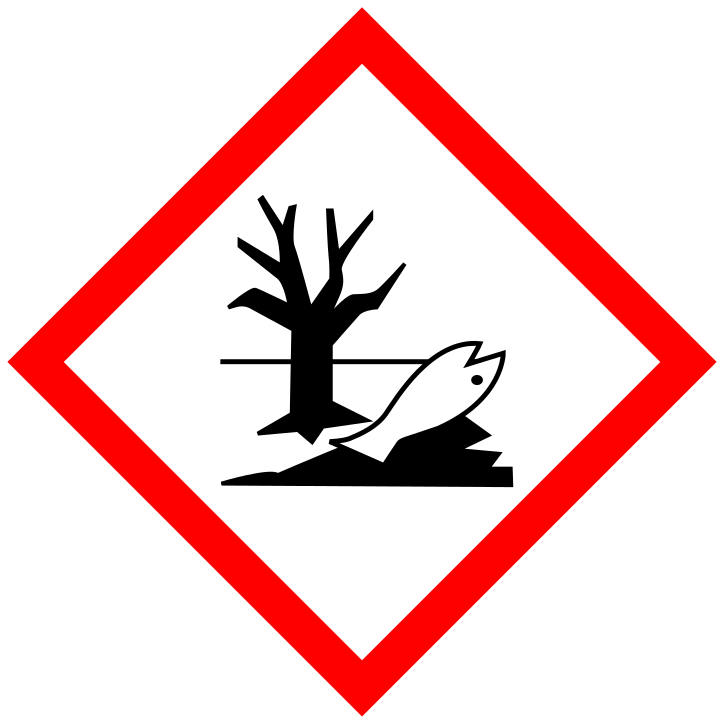
Hazardous to the environment

GHS09, dead tree and fish

Toxic to fish and other aquatic life, with or without long lasting effects.

Hazard classes
Hazardous to the aquatic environment, acute category 1; Hazardous to the aquatic environment, chronic categories 1 and 2
H statements
H400, H410, H411
What it means for you
Not a health hazard, so it does not on its own put a product under COSHH. It does decide how you dispose of it: never down a drain, and spill kits where it is stored.
On this site
BleachPetrolDiesel

Sources: HSE, Hazard symbols and hazard pictograms; Regulation (EC) No 1272/2008 (GB CLP), Annex V; UNECE, GHS pictograms, checked 18 September 2026. Pictogram designs are the UNECE originals.

Quick reference

SymbolNameMeansTypical products
FlammableFlammableCatches fire easily from a spark, a flame, a hot surface or, for some substances, on contact with air or water.Isopropyl alcohol, Acetone, Ethanol, Toluene, Petrol, Diesel
CorrosiveCorrosiveBurns skin and damages eyes on contact. Can also corrode metals.Bleach, Caustic soda, Hydrogen peroxide, Formaldehyde, Cement
Harmful or irritantHarmful or irritantThe least severe health pictogram. Irritates skin or eyes, causes an allergic skin reaction, irritates the airways, causes drowsiness, or is harmful if swallowed, breathed in or on the skin.Isopropyl alcohol, Acetone, Hydrogen peroxide, Toluene, Petrol, Diesel, Cement
Serious health hazardSerious health hazardLong term or serious harm: cancer, damage to fertility or the unborn child, genetic damage, asthma from breathing it in, organ damage, or fatal if it gets into the lungs after swallowing.Formaldehyde, Toluene, Petrol, Diesel
Acute toxicityAcute toxicityToxic or fatal in small amounts if swallowed, breathed in or in contact with skin.Formaldehyde
OxidisingOxidisingGives off oxygen, so it feeds a fire and can make other materials burn that would not otherwise.Hydrogen peroxide
Gas under pressureGas under pressureA compressed, liquefied or dissolved gas. The container may explode if heated, and refrigerated gases cause cold burns.Rare on everyday workplace products
ExplosiveExplosiveCan explode from heat, shock, friction or fire.Rare on everyday workplace products
Hazardous to the environmentHazardous to the environmentToxic to fish and other aquatic life, with or without long lasting effects.Bleach, Petrol, Diesel

Why they are called COSHH symbols

Strictly, they are not COSHH symbols. The COSHH Regulations 2002 say what an employer must do about a hazardous substance. The symbols come from a different law, the CLP Regulation (classification, labelling and packaging), which says how a supplier must classify a chemical and what goes on its label. The nine pictograms are set out in Annex V of that regulation and are the same designs used worldwide under the UN's Globally Harmonised System, which is why the codes run GHS01 to GHS09.

People call them COSHH symbols because the label is where a COSHH assessment starts. A product with any pictogram other than the environment one is hazardous to health by definition, so it needs an assessment under regulation 6 before anyone uses it at work. The pictogram tells you which kind of harm to control; the hazard classes and H statements in section 2 of the safety data sheet tell you exactly how severe it is.

What else is on the label

  • Signal word. Danger or Warning, one per label. Danger marks the more severe categories.
  • Hazard statements. The H numbers: H314 "Causes severe skin burns and eye damage", H351 "Suspected of causing cancer", and so on. These are what you copy into the hazards box of the assessment.
  • Precautionary statements. The P numbers: keep away from heat, wear protective gloves, if on skin wash with plenty of water. The supplier's starting point for controls and first aid.
  • Supplier details and the product identifier. The name to search for when you need the data sheet.

The old orange symbols

Until 2015 UK labels carried orange squares with a black symbol and a letter under the CHIP Regulations. CLP replaced them: substances from 1 December 2010, mixtures from 1 June 2015, with old stock allowed on the shelf until 1 June 2017. Many training slides and wall charts still show the orange set, so here is how they map across.

Old symbolMeantNow
EExplosiveExplosiveExplosive
OOxidisingOxidisingOxidising
F+ and FExtremely flammable, highly flammableFlammableFlammable
T+ and TVery toxic, toxicAcute toxicitySerious health hazardAcute toxicity or Serious health hazard
CCorrosiveCorrosiveCorrosive
XnHarmfulHarmful or irritantSerious health hazardHarmful or irritant or Serious health hazard
XiIrritantHarmful or irritantHarmful or irritant
NDangerous for the environmentHazardous to the environmentHazardous to the environment

The split is not one to one. "Harmful" (Xn) became either the exclamation mark or the serious health hazard pictogram depending on the actual hazard, and "Toxic" (T) became either the skull and crossbones or the health hazard silhouette. A product that was Xn and is now GHS08 has not become more dangerous; the new system just says which kind of harm.

Hazards with no symbol

Some of the most serious COSHH hazards never appear on a label, because they are made by the work rather than bought in a bottle. Wood dust, silica dust and welding fume are all treated as carcinogens or asthmagens under COSHH and have their own workplace exposure limits in EH40. Cleaning agents that are safe on their own can give off toxic gas when mixed: bleach with an acid descaler releases chlorine, and the bleach label says so with the statement EUH031. Biological agents, such as bacteria in used water systems, are also covered by COSHH and carry no pictogram at all.

So the rule is: a pictogram means a COSHH assessment is needed. No pictogram does not mean one is not.

Using the symbols in the assessment

  1. Read the label and section 2 of the data sheet. Note every pictogram, the signal word and each H statement.
  2. Match the pictogram to the route of harm: flammable and oxidising are fire hazards, corrosive and irritant are skin and eye contact, the two health pictograms are usually breathing it in or long term exposure.
  3. Describe the task: how much, how often, for how long, in what ventilation. The same product is a different risk when sprayed than when wiped.
  4. Choose controls in the order regulation 7 prefers: change the product or the process first, ventilation and extraction next, protective equipment last.
  5. If the label carries the serious health hazard pictogram with H350, H340, H360 or H334, treat the substance as a carcinogen, mutagen or asthmagen: exposure as low as reasonably practicable and health surveillance considered.

The generator does the first two steps for you when the substance is on the site: the pictograms, hazard classes and H statements are already filled in, sourced from the ECHA classification inventory and the HSE GB mandatory classification list.

Seen the symbol? Now do the assessment

The generator starts with the hazards filled in for common substances, or blank for anything else, and produces the finished PDF.

Start a COSHH assessment

Common questions

How many COSHH symbols are there?
Nine. They are the hazard pictograms from the CLP Regulation: explosive, flammable, oxidising, gas under pressure, corrosive, acute toxicity, harmful or irritant (the exclamation mark), serious health hazard, and hazardous to the environment. A label can carry several at once.
What does the exclamation mark symbol mean?
The least severe of the health pictograms. The product is harmful if swallowed, breathed in or on the skin, irritates the skin or eyes, can cause an allergic skin reaction, irritates the airways, or causes drowsiness. It is the symbol on most cleaning products and solvents.
What is the difference between the skull and crossbones and the person with the star on the chest?
The skull and crossbones means acute toxicity: a small amount can kill or seriously harm in a single exposure. The silhouette with the starburst means a serious but usually longer term health hazard: cancer, damage to fertility or the unborn child, asthma from breathing it in, or organ damage from repeated exposure. The second is far more common on workplace products.
Are the old orange COSHH symbols still valid?
No. The orange and black squares from the CHIP Regulations were replaced by the red diamond pictograms under CLP. Mixtures had to carry the new labels from 1 June 2015, with stock already on the shelf allowed until 1 June 2017. A product still labelled with an orange symbol is either very old or has been relabelled incorrectly; ask the supplier for a current data sheet.
Does a product with no symbol need a COSHH assessment?
Often, yes. COSHH covers any substance hazardous to health, including dust, fume, mist and biological agents that never come with a label. Wood dust, silica dust and welding fume have no pictogram and are among the most serious COSHH hazards. Check section 2 of the data sheet and how the substance is produced by the work, not just the label.
What do the signal words Danger and Warning mean?
One word appears on the label next to the pictograms. Danger marks the more severe categories within a hazard class, Warning the less severe. A product with no pictogram has no signal word.
Where do I find the symbols for a product?
On the label, and in section 2 of the safety data sheet, which lists the hazard classes, the pictograms, the signal word and the H statements. Section 2 is what goes in the hazards box of the COSHH assessment.